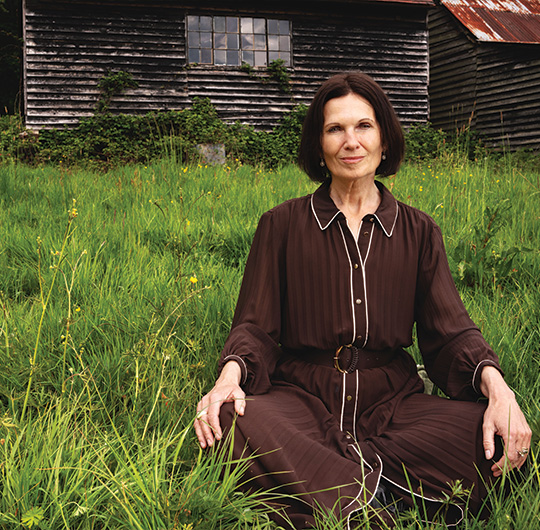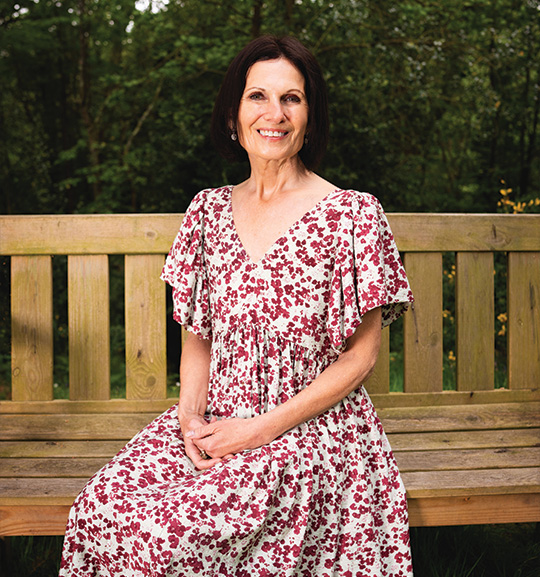
About Eve
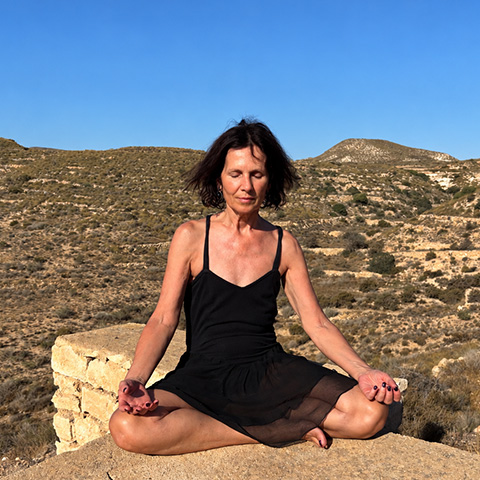
I first learned Transcendental Meditation in 1988 and then began my own dance with the practice—sometimes drawing closer, sometimes stepping away, but always finding myself returning to its steadying rhythm.
In the early 2000s a work opportunity sparked an unexpected adventure. This led our young family to relocate to New Zealand where I worked as a Strategic Advisor to Chief Executives across large government departments. I spent long hours in boardrooms with senior leaders—places where camaraderie was rare and any sense of wellbeing even more so.
Throughout it all, meditation remained a strong thread in my life. Over time, I began sharing simple meditation practices with colleagues during our lunch breaks. They told me they started to find more moments of calm, and greater clarity and resilience in their busy days.
A year or so later, I became seriously unwell.
In preparation for a gruelling two-year treatment schedule—including nine major surgeries and eight months of chemotherapy—I decided to strengthen my meditation practice and do a 10-day silent Vipassana retreat.
It was there I had a powerful insight: I wanted to train as a meditation teacher and take this wonderful practice into workplaces to help restore some balance and humanity in professional life.
That was over 13 years ago. Since returning to the UK, alongside completing a Master's degree and delivering complex change programmes as a Workplace Change Manager, I've earned many formal qualifications as a meditation teacher.
During this time I taught mindfulness and meditation in organisations including the British Red Cross, the Francis Crick Institute, Cancer Research UK, IOSH and BBC Radio Kent.
In 2019, just before I started leading weekly drop-in meditation sessions during lockdown, I was diagnosed with cancer for the third time.
It was early and treatable with surgery alone. Then in 2023 came another diagnosis—and this time I was told the cancer was metastatic and incurable.
Nearly three years later, following further surgery, radiotherapy and chemotherapy, and extensive investigation, that prognosis has recently changed. My medical team now understands my cancer history very differently: three separate primary cancers, with two separate local recurrences.
Instead of living with an incurable diagnosis, I am now expected to complete treatment and be discharged from oncology follow-up.
It is extraordinary news. And yet I've discovered that moving beyond cancer is not quite as simple as being handed your life back.